
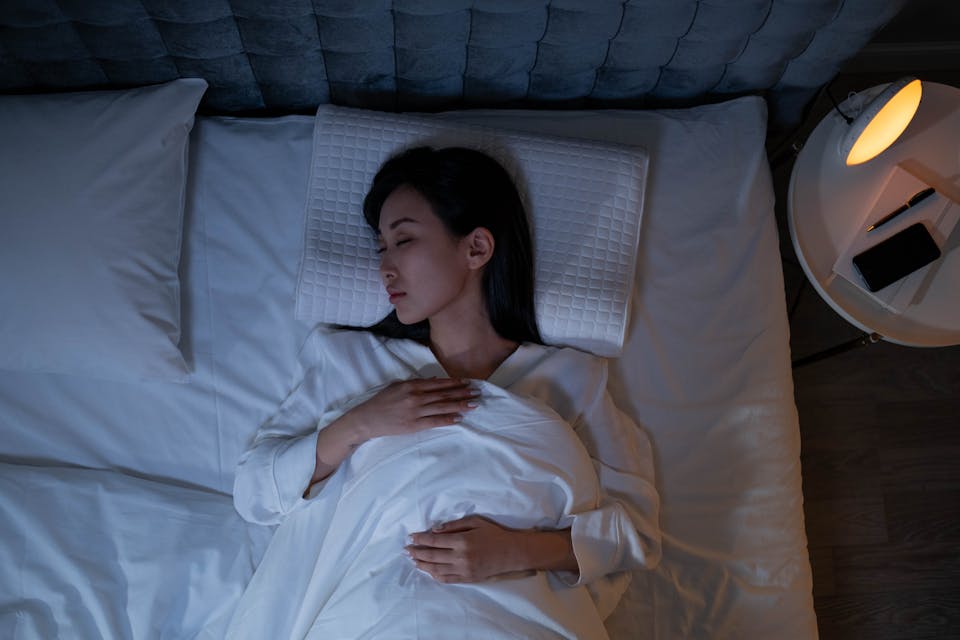
Sleep is one of the most essential yet least understood parts of our health. We will spend about a third of our lives asleep, so our bodies can perform critical functions such as regulating mood, metabolism, and memory. Scientists uncover surprising new insights about sleep every year as we learn more about how it helps restore our brains, repair our bodies, and prepare for the day ahead. From dream science to circadian rhythms, these ten fascinating facts about sleep will reveal why quality sleep isn’t a luxury; it’s a necessity for healthy bodies and lives.
10 Sleep Facts
1. Basic routines can help you improve your sleep quality. (Source)
These habits include sleeping and waking at the same time every day, keeping a cool, quiet bedroom, turning off electronics 30 minutes before bedtime, and avoiding alcohol and large meals before bedtime.
2. Around 75% of people dream in color. (Source)
This wasn’t always true, though. Before the introduction of the color television, only 15% of us dreamed in color. That’s a huge change!
3. Our internal “body clock” affects when we feel tired. (Source)
While our level of tiredness certainly depends on how long we’ve been awake, our bodies also have an internal clock that dictates when we feel most tired. We feel the most tired between 3 AM and 5 AM, a time that scientists call “the dead zone” because we feel “dead tired” during these hours.
4. A handful of companies own most American mattress brands. (Source)
Mattress quality plays a major role in how well we sleep, but did you know that the vast number of mattress brands on the market are a bit of an illusion? A handful of companies own most of these brands.
5. Sleep affects almost every tissue and system in our bodies. (Source)
Our brains are incredibly active while we sleep. Our body removes toxins and refreshes itself during this time.
6. It’s estimated that more than $411 billion is lost due to insufficient sleep among workers. (Source)
$31.1 billion of these losses are due to insomnia. 4.8 out of 10 workers report feeling tired during their workday, leading to errors and poor performance.
7. There are 4 different types of sleep cycle patterns. (Source)
The 8-hour monophasic sleep cycle has four patterns: Biphasic, Everyman, Dymaxion, and Uberman. These cycles describe how long you sleep at night and how many naps you take during the day.
8. REM occurs during about 25% of sleep. (Source)
REM stands for “rapid eye movement,” which involves electrical activation in the brain, body immobility, and movement of the eyes beneath closed lids. Dreams often occur during the REM state.
9. Dimming the lights can help your brain understand it’s time for sleep. (Source)
Dim lighting tells your brain it’s sleep time, while blue light can confuse your internal clock and disrupt melatonin production, the hormone that regulates sleep.
10. Around 10% of people who snore experience sleep apnea. (Source)
This disorder makes a person stop breathing about 300 times a night.
Featured image photo credit: Cottonbro Studio